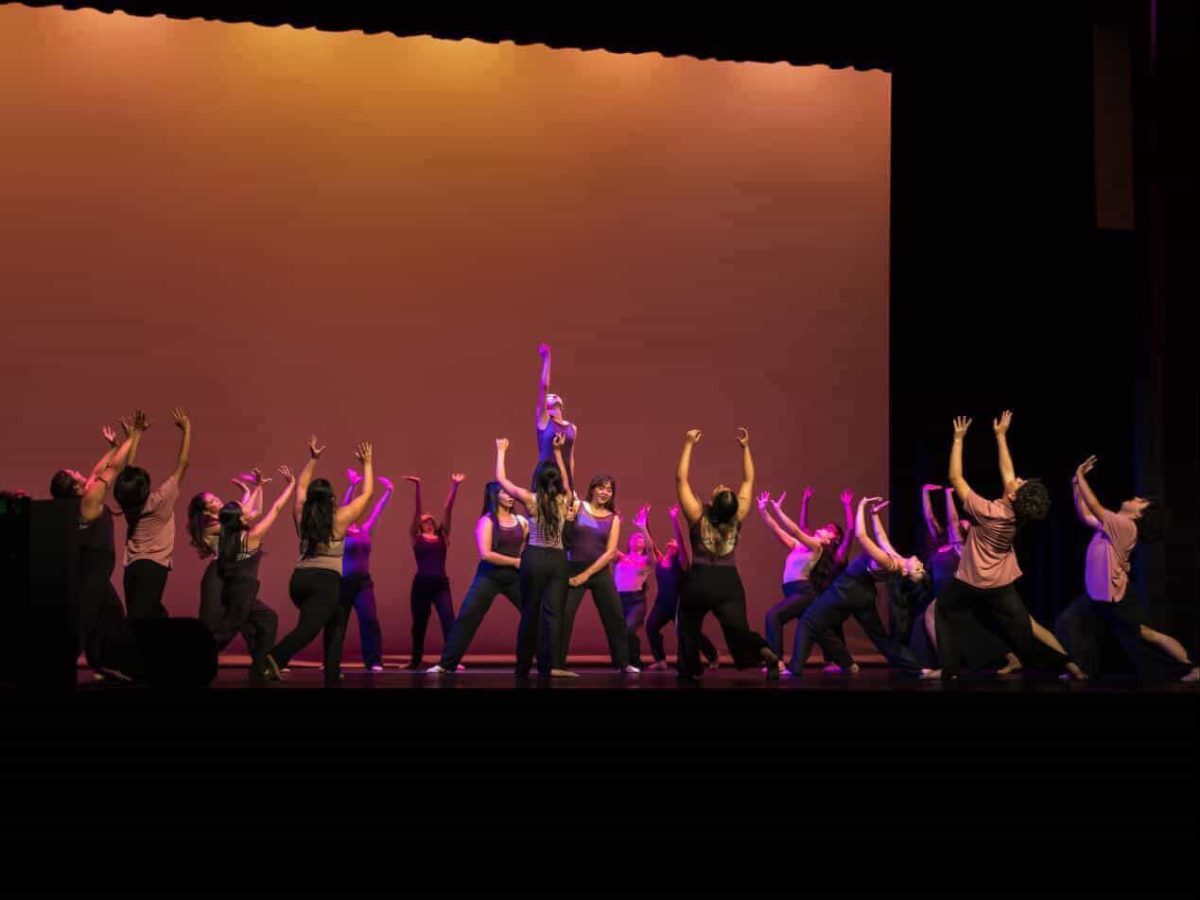
Stepping onto a stage for the first time can feel overwhelming, even for experienced performers. For a group of student dancers in a recent Dance Production concert, that moment was filled with a mix of excitement, nerves, and pride that ultimately shaped powerful and meaningful performances.
Many dancers described the first step onto the stage as intense. Their hearts raced, their hands fidgeted, and a wave of anxiety set in as the curtains prepared to open. But alongside the nerves came a sense of accomplishment. After months of rehearsals and dedication, simply being on stage felt like a reward. Once the music began, that nervous energy slowly transformed into focus and confidence.
Pressure was a shared experience among performers. Moments before going on stage or during especially challenging parts of the choreography doubt would creep in. However, students found ways to manage it. Some took deep breaths, others leaned on their peers for reassurance, and many reminded themselves that perfection was not the goal. Instead, they focused on enjoying the moment and trusting the work they had put in.
Preparation for the concert required discipline and consistency. Dancers spent months rehearsing both in class and on their own time, working to memorize choreography, refine technique, and stay synchronized as a group. The process demanded patience, but it also built resilience and commitment – qualities that became visible in the final performance.
Beyond technique, the dancers focused on storytelling. Each piece carried its own message, and performers used movement, facial expressions, and energy to communicate emotions to the audience. Some explored darker roles, channeling intensity and power, while others expressed a range of feelings such as sadness, joy, and freedom. This emotional connection to the music helped bring authenticity to their performances.
Equally important was the sense of teamwork. Throughout the process, dancers supported one another, gave feedback, and worked through challenges together. This collaboration not only strengthened their performances but also created lasting bonds among group members.
In the end, the experience went far beyond the stage. Dancers grew in confidence, learned to stay focused under pressure, and developed a deeper ability to express emotions through movement. What began as nerves turned into something much greater – a moment of transformation.
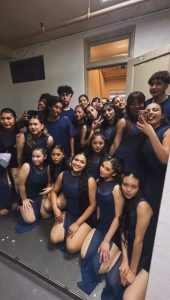
Subirse a un escenario por primera vez puede ser abrumador, incluso para los artistas con experiencia. Para un grupo de estudiantes de Dance Production en un concierto reciente, ese momento estuvo lleno de emoción, nervios y orgullo – sentimientos que finalmente dieron forma a presentaciones poderosas y significativas.
Muchos bailarines describieron ese primer paso al escenario como algo intenso. Sus corazones latían rápido, sus manos se movían con nerviosismo y una ola de ansiedad aparecía justo antes de que se abrieran las cortinas. Sin embargo, junto con los nervios también surgía un sentimiento de logro. Después de meses de ensayos y dedicación, estar en el escenario ya era una recompensa. Una vez que comenzaba la música, esa energía nerviosa se transformaba poco a poco en concentración y confianza.
La presión fue una experiencia compartida. Momentos antes de salir al escenario o durante partes difíciles de la coreografía, aparecían dudas. Aun así, los estudiantes encontraron maneras de manejarlo. Algunos respiraban profundamente, otros buscaban apoyo en sus compañeros, y muchos se recordaban a sí mismos que no todo tenía que ser perfecto. En lugar de eso, se enfocaban en disfrutar el momento y confiar en su preparación.
La preparación para el concierto requirió disciplina y constancia. Los bailarines pasaron meses ensayando tanto en clase como por su cuenta, trabajando en memorizar coreografías, mejorar su técnica y mantenerse sincronizados como grupo. Este proceso exigió paciencia, pero también fortaleció su compromiso y resistencia.
Más allá de la técnica, los bailarines se enfocaron en contar historias. Cada pieza tenía un mensaje, y los artistas usaron sus movimientos, expresiones faciales y energía para transmitir emociones al público. Algunos interpretaron papeles más intensos, mientras que otros expresaron sentimientos como tristeza, felicidad y libertad. Esta conexión emocional con la música hizo que las presentaciones fueran más auténticas.
Igualmente importante fue el trabajo en equipo. Durante todo el proceso, los bailarines se apoyaron mutuamente, compartieron ideas y superaron obstáculos juntos. Esto no solo fortaleció sus presentaciones, sino que también creó lazos importantes entre ellos.
Al final, la experiencia fue mucho más que una presentación. Los estudiantes crecieron en confianza, aprendieron a manejar la presión y desarrollaron una mayor capacidad para expresar emociones a través del baile. Lo que comenzó como nervios, terminó siendo una verdadera transformación.