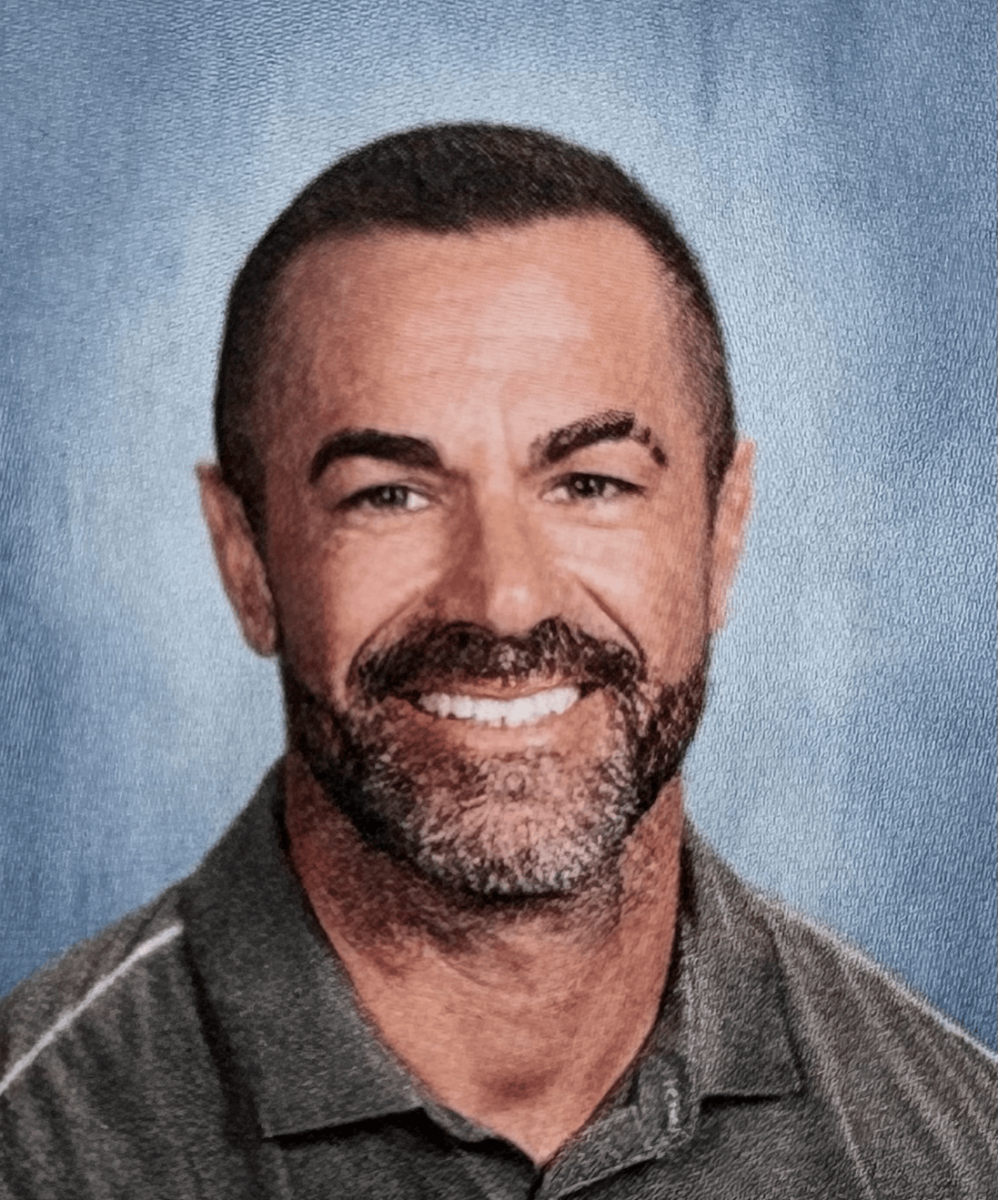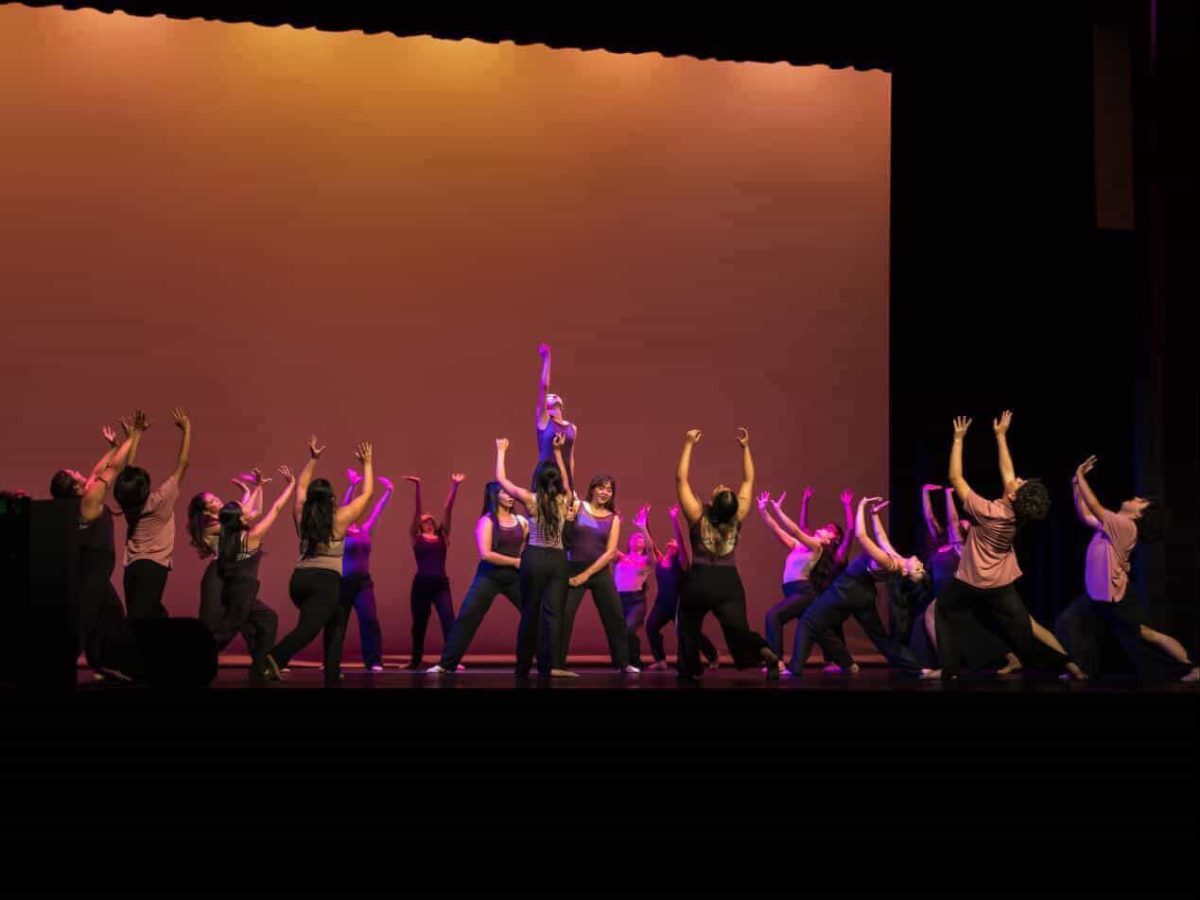
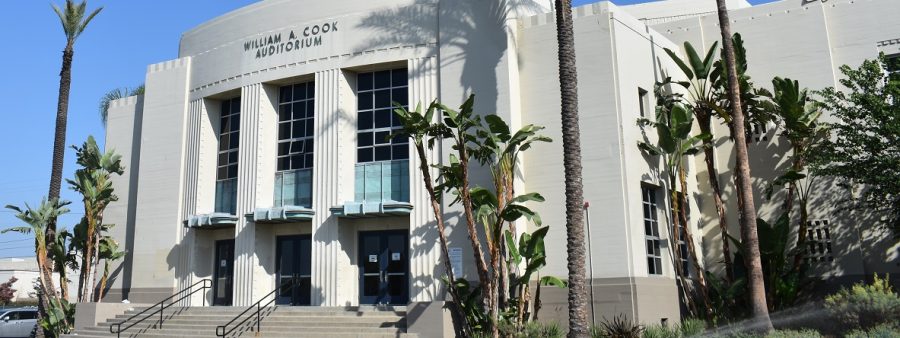
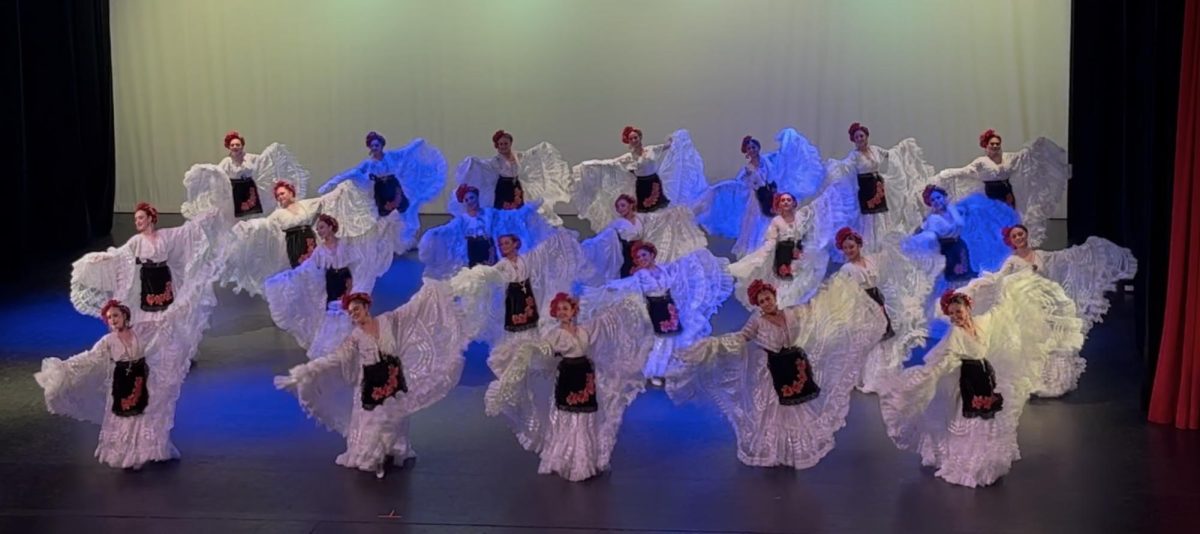
The sound of heels striking the floor echoes through the room as colorful skirts spin in wide circles. Each step follows the rhythm of traditional music, but Ballet Folklórico is more than just choreography. Behind every movement is a story, a region, and a history being kept alive. For Rafael Valpuesta, teaching Folklórico is not only about dance. It is about preserving culture and sharing identity with a new generation of students.

Ballet Folklórico was founded in 1952 in Mexico City, Mexico by dancer and choreographer Amalia Hernández. She created the company Ballet Folklórico de México after researching traditional regional dances from different Mexican states and organizing them into staged performances for theaters and audiences. Hernández traveled throughout Mexico studying community dances, festivals, and costumes. She kept the original movements and music but adapted them slightly to be performed on stage. Her group eventually began performing at the Palacio de Bellas Artes, one of Mexico’s most important cultural venues, which helped spread Folklórico across the country and internationally.
When interviewing the Director of Origenes Dance Company, Rafael Valpuesta, I asked him a little about his history and his journey with the dance.
“I started dancing at the age of seven, which is exactly 41 years ago. I started dancing professionally at the age of 16. I then became an instructor for my alma mater at the high school and then furthered my education in college, where I formed part of the dance department. Shortly after, I became a director in 1998. I have been directing my own conservatory since.”
During the interview I also asked him how folklórico changed his life over the years.
“It’s a great deal of who I am as a person, not just professionally but personally. I’ve been married to folklórico my entire life, and when I say married, it is because it’s always been my first commitment. Granted, family comes first, but sometimes they’ve taken the back seat because I’ve had to take my students to a specific performance that we had already booked. It’s formed me professionally in a sense where I have been able to travel the world teaching, even going back to Mexico, which is not very common for a folklórico director to do. In my case, I have been imported back to Mexico to teach and to be able to share the knowledge that I’ve acquired throughout the years. So not only has it become a livelihood, it’s also become a lifestyle, and it’s part of my flesh and blood.”
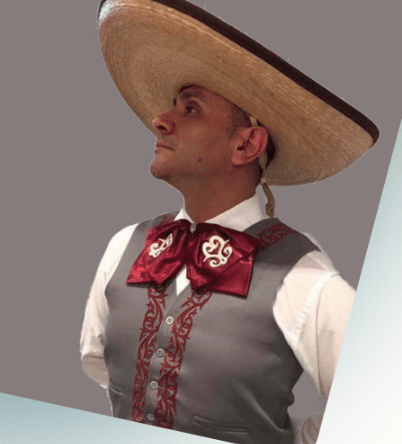
When asking him about the importance for dancers to stay connected with cultural traditions such as these, he mentioned that it’s very important because “the political climate has developed an interest in erasing our history, in erasing our cultural legacy, especially when you’re of Mexican descent. You mustn’t forget that we didn’t cross the border as Mexicans, the border crossed us. We were obligated to surrender the land, and now that there’s been sort of a purge with immigration and with any ethnic group that’s not white, we have to be very vigilant and have to be proud of where we come from. Promoting and participating in our cultural legacy is of the essence because that’s the only way we’re going to stay present.”
With all the knowledge that Valpuesta has accumulated over the years I asked what it means to him to pass it on to future generations. He mentioned that it would be a shame for him not to. “I was very lucky to have the best folklórico teachers in Los Angeles and in Mexico, and being able to pass on that legacy to my students has always been my primary focus because I feel like that’s the only way that we’re going to continue enriching our cultural heritage and educating audiences, not just here in the States, but all over the world about the beauty and the grace that our Mexican folklore evokes.”
As music plays and dancers rehearse their routines, the movements become more than memorized steps. Each performance carries history, tradition, and identity. Through his teaching, Valpuesta ensures that the stories behind the dance continue to be shared, allowing new generations of students to connect with their culture while keeping Ballet Folklórico alive.
El sonido de los tacones golpeando el piso resuena por el salón mientras las coloridas faldas giran en amplios círculos. Cada paso sigue el ritmo de la música tradicional, pero el Ballet Folklórico es más que coreografía. Detrás de cada movimiento hay una historia, una región y una tradición que se mantiene viva. Para Rafael Valpuesta, enseñar Folklórico no es solo bailar; es preservar la cultura y compartir la identidad con una nueva generación de estudiantes.
El Ballet Folklórico fue fundado en 1952 en la Ciudad de México por la bailarina y coreógrafa Amalia Hernández. Ella creó la compañía Ballet Folklórico de México después de investigar danzas regionales tradicionales de distintos estados y organizarlas en presentaciones escénicas para teatros y audiencias. Hernández viajó por todo México estudiando danzas comunitarias, festivales y vestuarios. Conservó los movimientos y la música originales, pero los adaptó ligeramente para presentarlos en el escenario. Su grupo eventualmente se presentó en el Palacio de Bellas Artes, uno de los recintos culturales más importantes de México, lo que ayudó a difundir el Folklórico por todo el país y a nivel internacional.
Al entrevistar al director de Orígenes Dance Company, Rafael Valpuesta, hablé con él sobre su historia con la danza y su trayectoria.
“Comencé a bailar a los siete años de edad, hace exactamente 41 años. Empecé a bailar profesionalmente a los 16. Después me convertí en instructor en mi alma mater en la preparatoria y continué mis estudios en la universidad, donde formé parte del departamento de danza. Poco después me convertí en director en 1998. Desde entonces he dirigido mi propio compañía de danza.”
Durante la entrevista también le pregunté cómo el Folklórico ha cambiado su vida a lo largo de los años.
“Es gran parte de quién soy como persona, no solo profesionalmente sino también personalmente. He estado ‘casado’ con el Folklórico toda mi vida, y cuando digo casado es porque siempre ha sido mi primer compromiso. Aunque la familia es primero, a veces he tenido que pasar a segundo plano por llevar a mis estudiantes a presentaciones ya programadas. Me he formado profesionalmente; he podido viajar por el mundo enseñando, incluso regresar a México, lo cual no es muy común para un director de Folklórico. En mi caso, he sido invitado a regresar a México para enseñar y compartir el conocimiento que he adquirido con los años. No solo se ha convertido en un medio de vida, también es un estilo de vida y parte de mi sangre.”
Al preguntarle sobre la importancia de que los bailarines se mantengan conectados con tradiciones culturales como estas, él mencionó que es muy importante porque “el clima político ha desarrollado un interés en borrar nuestra historia, en borrar nuestro legado cultural, especialmente cuando eres de ascendencia mexicana. No debemos olvidar que no cruzamos la frontera como mexicanos; la frontera nos cruzó a nosotros. Nos vimos obligados a ceder la tierra y ahora, con la situación migratoria y hacia grupos étnicos que no son blancos, debemos mantenernos vigilantes y orgullosos de nuestras raíces. Promover y participar en nuestro legado cultural es esencial porque es la única manera de mantenernos presentes.”
Con todo el conocimiento que Valpuesta ha acumulado a lo largo de los años, también habló sobre lo que significa para él transmitirlo a las futuras generaciones. Mencionó que sería una pena no hacerlo.
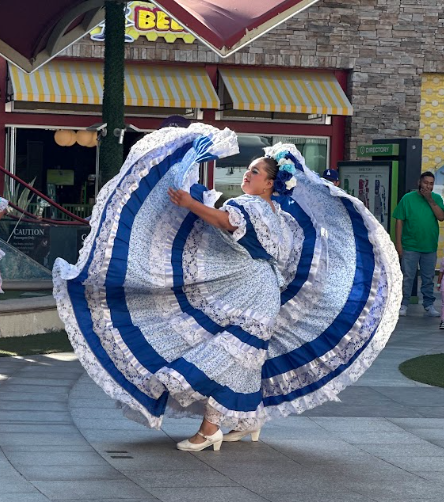
“Tuve la suerte de tener a los mejores maestros de Folklórico en Los Ángeles y en México, y poder transmitir ese legado a mis estudiantes siempre ha sido mi principal enfoque. Porque siento que es la única forma de seguir enriqueciendo nuestra herencia cultural y educando a las audiencias. No solo aquí en Estados Unidos, sino en todo el mundo, sobre la belleza y la gracia que evoca nuestro folklor mexicano.”
Mientras suena la música y los bailarines ensayan sus rutinas, los movimientos se vuelven más que pasos memorizados. Cada presentación lleva consigo historia, tradición e identidad. A través de su enseñanza, Valpuesta asegura que las historias detrás de la danza continúen compartiéndose, permitiendo que nuevas generaciones de estudiantes se conecten con su cultura mientras mantienen vivo el Ballet Folklórico.