What Is Fast Fashion?
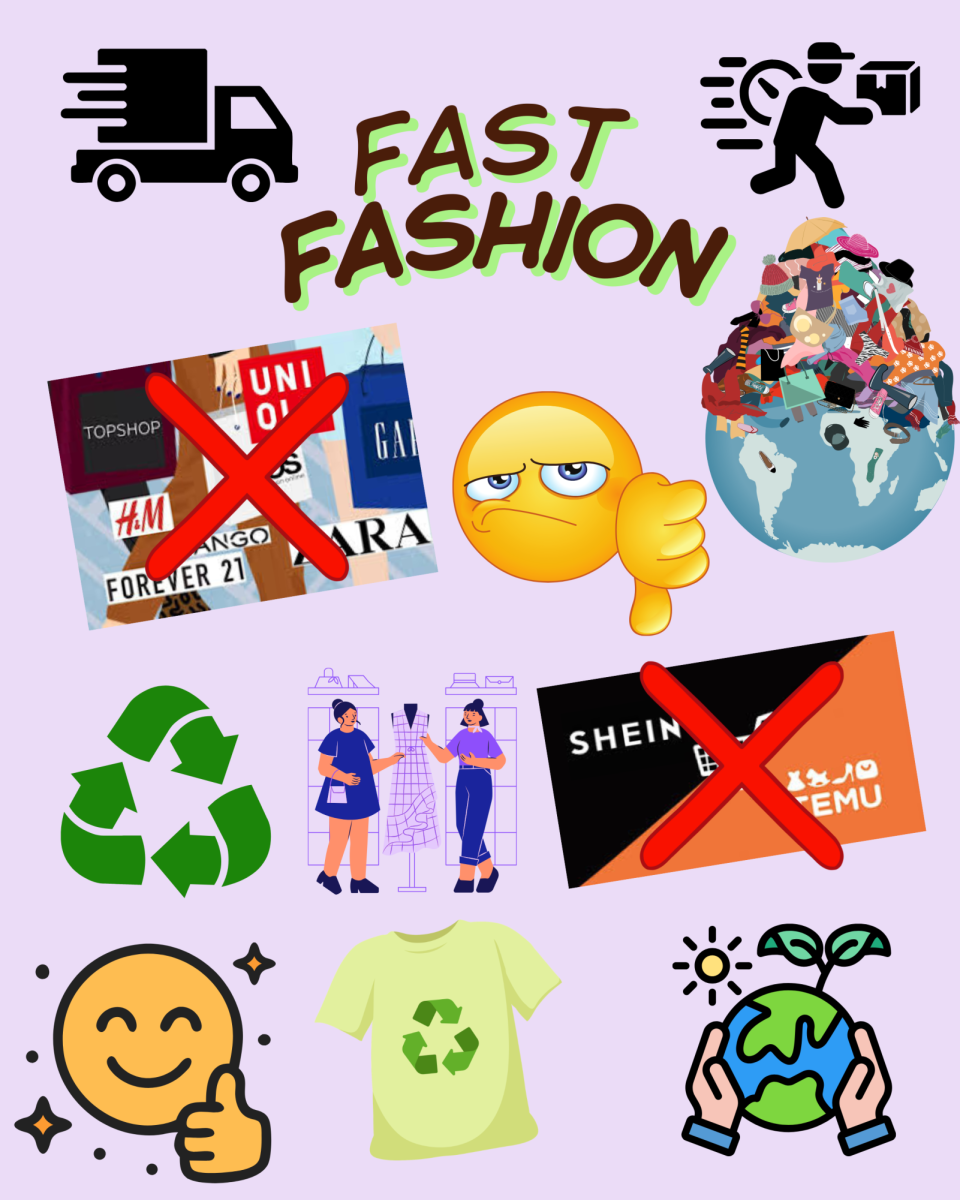
Fast fashion is a business model that produces trendy clothing very quickly and sells it at low prices. Brands replicate popular styles from celebrities and social media, bringing them to stores within just a few weeks. Because the clothes are inexpensive and trends are constantly changing, many people buy more than they actually need. However, there are serious problems behind this system. Fast fashion prioritizes speed, often moving designs from the runway to stores in just days. Companies frequently use cheap materials, which encourages people to buy clothing in large quantities and replace it often. Some examples of fast fashion stores include Zara, H&M, Shein, Temu, and Forever 21.
When Did Fast Fashion Begin?
Fast fashion began in the 1990s and early 2000s when global production became faster and more affordable. Large clothing companies moved their factories to countries where labor costs were lower. New technology and faster shipping methods allowed brands to design, produce, and sell clothing within a few weeks. As social media became more popular, trends began to change even more quickly, encouraging people to constantly buy new outfits. While this made shopping easier and less expensive, it also created a culture of overconsumption, where people purchase clothes they do not truly need.
How Does Fast Fashion Affect Us?
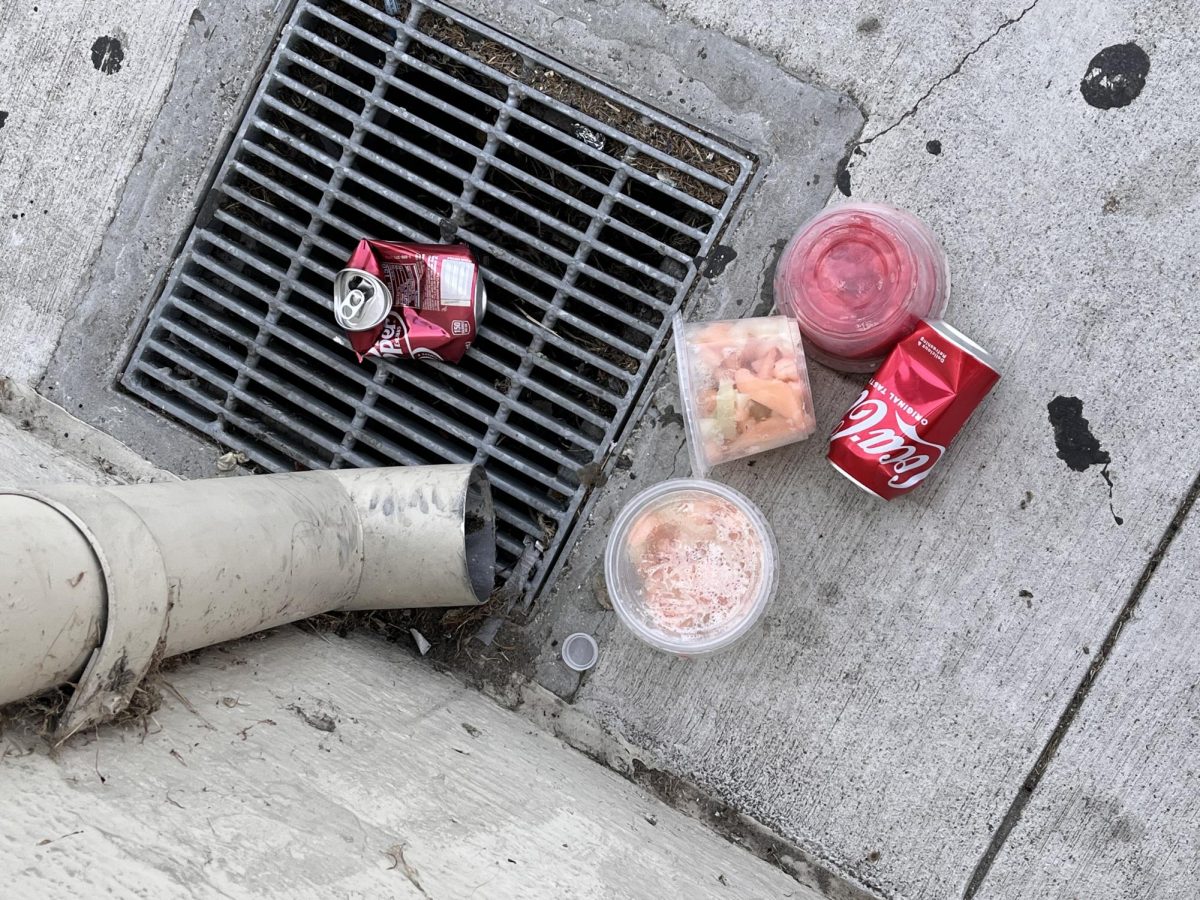
Many factories are located in developing countries, where workers often receive very low pay and work long hours in unsafe conditions. In addition, fast fashion harms the environment. Producing clothing requires large amounts of water, energy, and chemicals, which can cause pollution in rivers and the air. When people throw away clothes after wearing them only a few times, the waste usually ends up in landfills, increasing environmental damage. Fast fashion affects us in many negative ways, both socially and environmentally.
How Can We Address This Issue?
We can improve the situation by buying fewer, higher-quality clothes, reusing and recycling items, donating clothes we no longer wear, and supporting brands that care about fair labor practices and sustainability. By making smarter choices, we can reduce the negative impact of fast fashion on our planet and our lives.
Interview
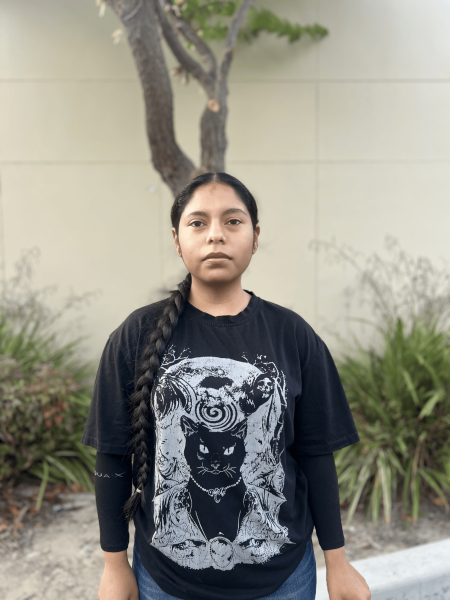
For my interview, I asked Nelly Carrera three questions: Have you ever bought clothes that are considered fast fashion? How can you help decrease fast fashion and help solve this issue? Lastly, what are your thoughts on fast fashion?
For the first question, Nelly said that she has bought clothing considered fast fashion. She mentioned that she mostly shops at Shein, but she does not buy from there very often. For the second question, Nelly explained that she can help reduce fast fashion by avoiding companies that support it. She also said that her parents encourage her to donate clothes she no longer wears so that she does not throw them away. For the final question, Nelly admitted that she had not thought much about fast fashion before the interview. However, she now believes that people should pay more attention to the issue because it can harm both the environment and workers.
Moda rápida
¿Qué es la moda rápida?
La moda rápida es un modelo de negocio que produce ropa de moda muy rápidamente y la vende a precios bajos. Las marcas replican los estilos populares de las celebridades y las redes sociales, presentándose en las tiendas en tan solo unas semanas. Debido a que la ropa es económica y las tendencias cambian constantemente, muchas personas compran más de lo que realmente necesitan. Sin embargo, este sistema presenta serios problemas. La moda rápida prioriza la velocidad, a menudo trasladando los diseños de la pasarela a las tiendas en cuestión de días. Las empresas suelen utilizar materiales baratos, lo que incentiva a la gente a comprar ropa en grandes cantidades y a reemplazarla con frecuencia. Algunos ejemplos de tiendas de moda rápida incluyen Zara, H&M, Shein, Temu y Forever 21.
¿Cuándo empezó la moda rápida?
La moda rápida surgió en la década de 1990 y principios de la década de 2000, cuando la producción global se volvió más rápida y asequible. Las grandes empresas textiles trasladaron sus fábricas a países donde los costos laborales eran más bajos. Las nuevas tecnologías y los métodos de envío más rápidos permitieron a las marcas diseñar, producir y vender ropa en cuestión de semanas. Con la creciente popularidad de las redes sociales, las tendencias comenzaron a cambiar aún más rápido, animando a la gente a comprar ropa nueva constantemente. Si bien esto facilitó y abarató las compras, también creó una cultura de consumo excesivo, donde la gente compra ropa que realmente no necesita.
¿Cómo nos afecta la moda rápida?
Muchas fábricas se encuentran en países en desarrollo, donde los trabajadores suelen recibir salarios muy bajos y trabajar largas jornadas en condiciones inseguras. Además, la moda rápida daña el medio ambiente. Producir ropa requiere grandes cantidades de agua, energía y productos químicos, lo que puede contaminar los ríos y el aire. Cuando las personas desechan la ropa después de usarla solo unas pocas veces, los residuos suelen acabar en vertederos, lo que aumenta el daño ambiental. La moda rápida nos afecta de muchas maneras negativas, tanto a nivel social como ambiental.
¿Cómo podemos abordar este problema?
Podemos mejorar la situación comprando menos ropa y de mejor calidad, reutilizando y reciclando artículos, donando ropa que ya no usamos y apoyando a marcas que se preocupan por las prácticas laborales justas y la sostenibilidad. Al tomar decisiones más inteligentes, podemos reducir el impacto negativo de la moda rápida en nuestro planeta y nuestras vidas.
Entrevista
Para mi entrevista, le hice a Nelly Carrera tres preguntas: ¿Alguna vez has comprado ropa considerada de moda rápida? ¿Cómo puedes ayudar a disminuir la moda rápida y ayudar a resolver este problema? Por último, ¿qué opinas sobre la moda rápida?
En la primera pregunta, Nelly comentó que ha comprado ropa considerada de moda rápida. Mencionó que compra principalmente en Shein, pero no compra allí muy a menudo. En la segunda pregunta, Nelly explicó que puede ayudar a reducir la moda rápida evitando las empresas que la apoyan. También comentó que sus padres la animan a donar la ropa que ya no usa para que no la tire. En la última pregunta, Nelly admitió que no había pensado mucho en la moda rápida antes de la entrevista. Sin embargo, ahora cree que la gente debería prestar más atención a este tema porque puede dañar tanto al medio ambiente como a los trabajadores.