

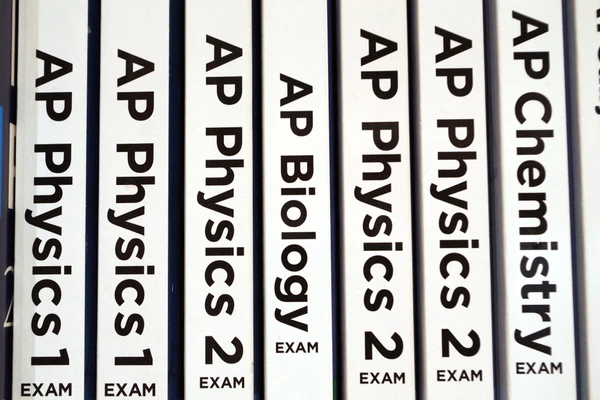
Advanced Placement (AP) testing is an opportunity for high school students to challenge themselves academically and potentially earn college credit while still in high school. AP courses are designed to be college-level classes, and the exams at the end of the year measure how well students understand the material. Colleges may award credit or allow students to skip introductory courses depending on their scores, which range from 1 to 5.
Preparing for AP exams does not have to feel overwhelming. The most effective strategy is to start early and study consistently rather than cramming at the last minute. Reviewing class notes, completing practice questions, and using official College Board resources can make a big difference. Many students also find success by creating a study schedule, forming small study groups, and practicing timed sections to become familiar with the exam format. Teachers often offer review sessions, which are valuable opportunities to ask questions and focus on difficult topics.
A recent informal survey conducted in an AP class at Anaheim High School showed that preparation habits strongly affect confidence levels. Out of 30 students surveyed, 73% said practicing past exam questions helped reduce their stress, while 67% reported that studying in small groups made the material easier to understand. Interestingly, students who studied at least three weeks in advance were twice as likely to say they felt “prepared” on test day compared to those who started reviewing only a few days before the exam.
On test day, students usually report to a designated testing room at their school. Exams may include multiple-choice questions, essays, or problem-solving sections, depending on the subject. Proctors provide clear instructions, and longer exams include scheduled breaks. Bringing required materials and getting enough rest the night before can help students stay focused.
Although AP exams can feel stressful, they are meant to showcase learning, not perfection. With steady preparation and a positive mindset, students can approach AP testing with confidence and see it as an important step toward their academic goals.
Los exámenes de Advanced Placement (AP) son una oportunidad para que los estudiantes de preparatoria se desafíen académicamente y puedan obtener créditos universitarios mientras aún están en la escuela secundaria. Los cursos AP están diseñados para ser clases de nivel universitario, y los exámenes al final del año miden qué tan bien los estudiantes comprenden el material. Las universidades pueden otorgar créditos o permitir que los estudiantes omitan cursos introductorios dependiendo de sus calificaciones, las cuales van del 1 al 5.
Prepararse para los exámenes AP no tiene que sentirse abrumador. La estrategia más efectiva es comenzar temprano y estudiar de manera constante en lugar de estudiar intensamente a última hora. Repasar apuntes de clase, completar preguntas de práctica y utilizar los recursos oficiales del College Board puede marcar una gran diferencia. Muchos estudiantes también tienen éxito al crear un horario de estudio, formar pequeños grupos de estudio y practicar secciones cronometradas para familiarizarse con el formato del examen. Los maestros suelen ofrecer sesiones de repaso, las cuales son oportunidades valiosas para hacer preguntas y enfocarse en los temas más difíciles.
Una encuesta informal reciente realizada en una clase AP de Anaheim High School mostró que los hábitos de preparación influyen mucho en los niveles de confianza. De los 30 estudiantes encuestados, el 73% dijo que practicar con exámenes anteriores ayudó a reducir su estrés, mientras que el 67% reportó que estudiar en grupos pequeños facilitó la comprensión del material. Curiosamente, los estudiantes que comenzaron a estudiar al menos tres semanas antes tenían el doble de probabilidades de decir que se sentían “preparados” el día del examen en comparación con quienes empezaron a repasar solo unos días antes.
El día del examen, los estudiantes generalmente se presentan en un salón designado dentro de su escuela. Los exámenes pueden incluir preguntas de opción múltiple, ensayos o secciones de resolución de problemas, dependiendo de la materia. Los aplicadores del examen proporcionan instrucciones claras y los exámenes más largos incluyen descansos programados. Llevar los materiales necesarios y dormir bien la noche anterior puede ayudar a los estudiantes a mantenerse concentrados.
Aunque los exámenes AP pueden sentirse estresantes, están diseñados para demostrar el aprendizaje, no la perfección. Con una preparación constante y una actitud positiva, los estudiantes pueden enfrentar los exámenes AP con confianza y verlos como un paso importante hacia sus metas académicas.