
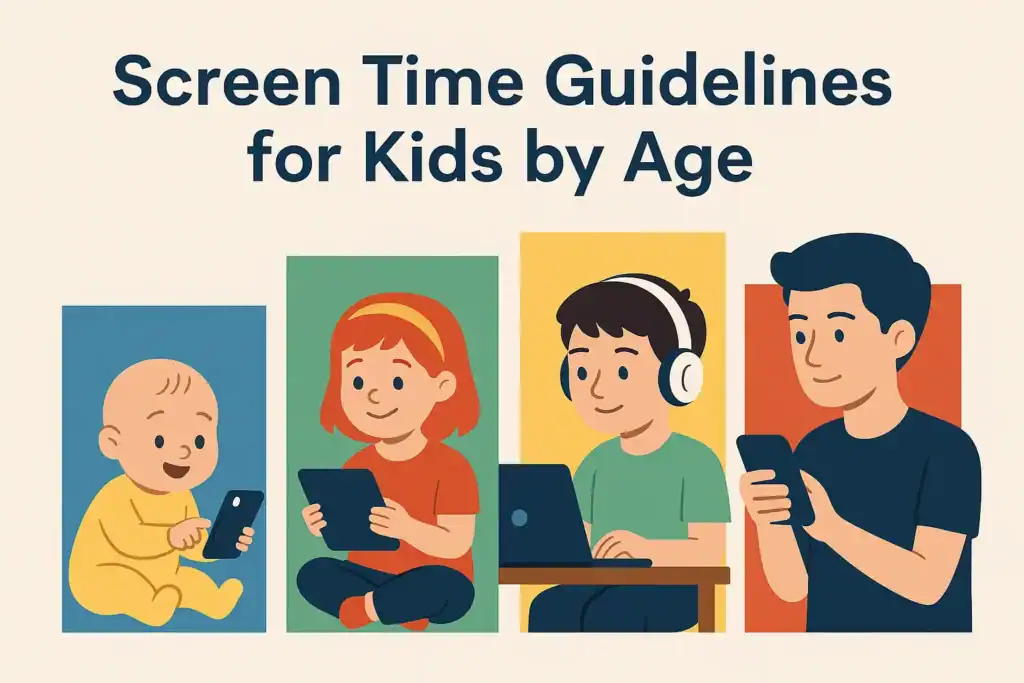
Screen time has become a major part of teenagers’ daily routines especially for students at Anaheim High School. Many teens spend hours each day using phones, laptops, tablets and gaming systems for school entertainment and social media. While technology can be helpful, too much screen time can negatively affect teenagers’ sleep habits and overall health.
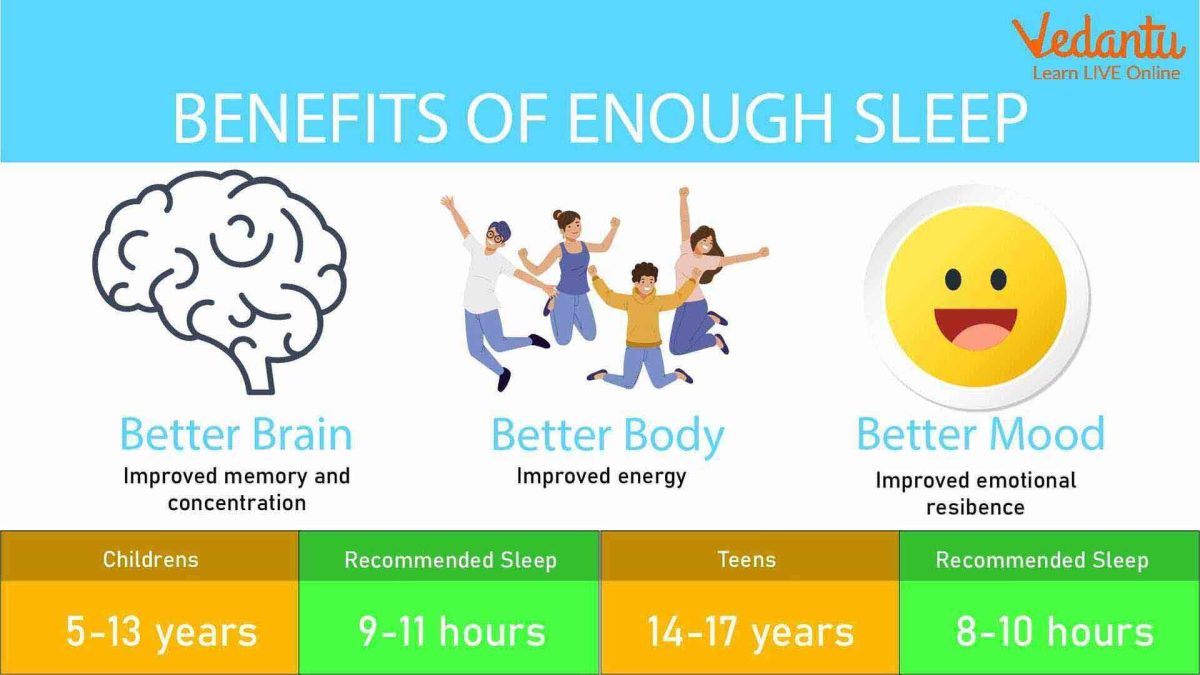
Many students use their phones late at night to scroll through social media, watch videos or text friends. As a result, teenagers often go to sleep later and get fewer hours of rest. Experts recommend that teens get around eight to ten hours of sleep each night but many students struggle to reach that amount because of screen usage.
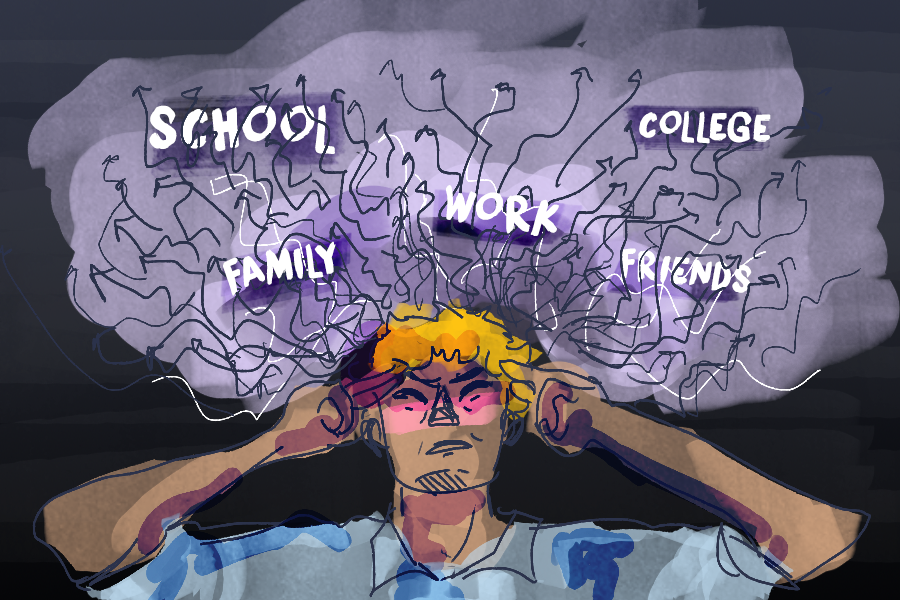
Lack of sleep can affect students both mentally and physically. Some teenagers feel tired during class, have difficulty concentrating or struggle to stay motivated. Poor sleep habits can also increase stress, anxiety and irritability especially during busy school weeks with homework tests and extracurricular activities.
Blue light from screens may also make it harder for the brain to relax before bedtime. Because of this, some students try limiting screen time before sleeping by putting their phones away or creating nighttime routines without electronics.
Despite these challenges, technology is still an important part of everyday life. Many students at Anaheim High School are learning how to balance screen time with healthy sleep habits. Finding a balance between technology and rest can help teenagers improve their focus mood and overall well being.
El tiempo en pantallas se ha convertido en una parte importante de la rutina diaria de muchos adolescentes, especialmente para los estudiantes de Anaheim High School. Muchos jóvenes pasan horas usando teléfonos computadoras, tabletas y videojuegos para la escuela, el entretenimiento y las redes sociales. Aunque la tecnología puede ser útil, demasiado tiempo frente a las pantallas puede afectar negativamente los hábitos de sueño y la salud en general.
Muchos estudiantes usan sus teléfonos hasta muy tarde en la noche para ver redes sociales, mirar videos o hablar con amigos. Como resultado muchos adolescentes duermen menos horas y se acuestan más tarde. Los expertos recomiendan que los adolescentes duerman entre ocho y diez horas cada noche pero muchos estudiantes no logran descansar lo suficiente por el uso constante de pantallas.
La falta de sueño puede afectar a los estudiantes física y mentalmente. Algunos adolescentes se sienten cansados durante las clases, tienen dificultad para concentrarse o pierden motivación. Los malos hábitos de sueño también pueden aumentar el estrés, la ansiedad y la irritabilidad especialmente durante semanas con mucha tarea, exámenes y actividades escolares.
La luz azul de las pantallas también puede dificultar que el cerebro se relaje antes de dormir. Por eso, algunos estudiantes intentan limitar el uso de pantallas antes de acostarse guardando sus teléfonos o creando rutinas nocturnas sin electrónicos.
A pesar de estos desafíos, la tecnología sigue siendo una parte importante de la vida diaria. Muchos estudiantes continúan aprendiendo cómo balancear el tiempo en pantallas con hábitos de sueño saludables para mejorar su bienestar general.